











I am really pleased to have been asked to write a weekly wine column for The Argus, here is the first article.
Most bottles of rosé purchased from a shop or ordered in a restaurant are paler than pale. Customers can almost visibly recoil if a pink wine with a deeper raspberry hue is presented, often assuming it will be sweet. At the quality end of the market, however, that is rarely the case.
I have nothing against the success of the Provence style, but there are so many other excellent examples, it seems a shame that they are often dismissed purely because of their appearance. The trend for paler rosé took hold when Whispering Angel launched in the mid-2000s, followed around five years later by Château Miraval. Both are good wines that struck a chord with rosé drinkers, and both were released in attractive clear bottles, making their light colour a key part of their appeal. Since then, pale rosé has become associated with quality in the minds of many consumers, even though colour alone is no indicator of how good a wine will be.

Quality rosé is made exclusively from red grape varieties, which are either lightly pressed or left to macerate on their skins for a short time. The resulting wine has the freshness of a white but the character of a red. One of the gentlest methods of production is thesaignée method, in which free-run juice is bled from a red wine fermenter at an early stage.
We like to experiment with darker rosés, particularly those from Tavel in the southern Rhône. Dominated by the Grenache grape, they are deeper in colour, with generous fruit, savoury notes and a dry finish. Rioja is another region that produces excellent examples of this darker style.
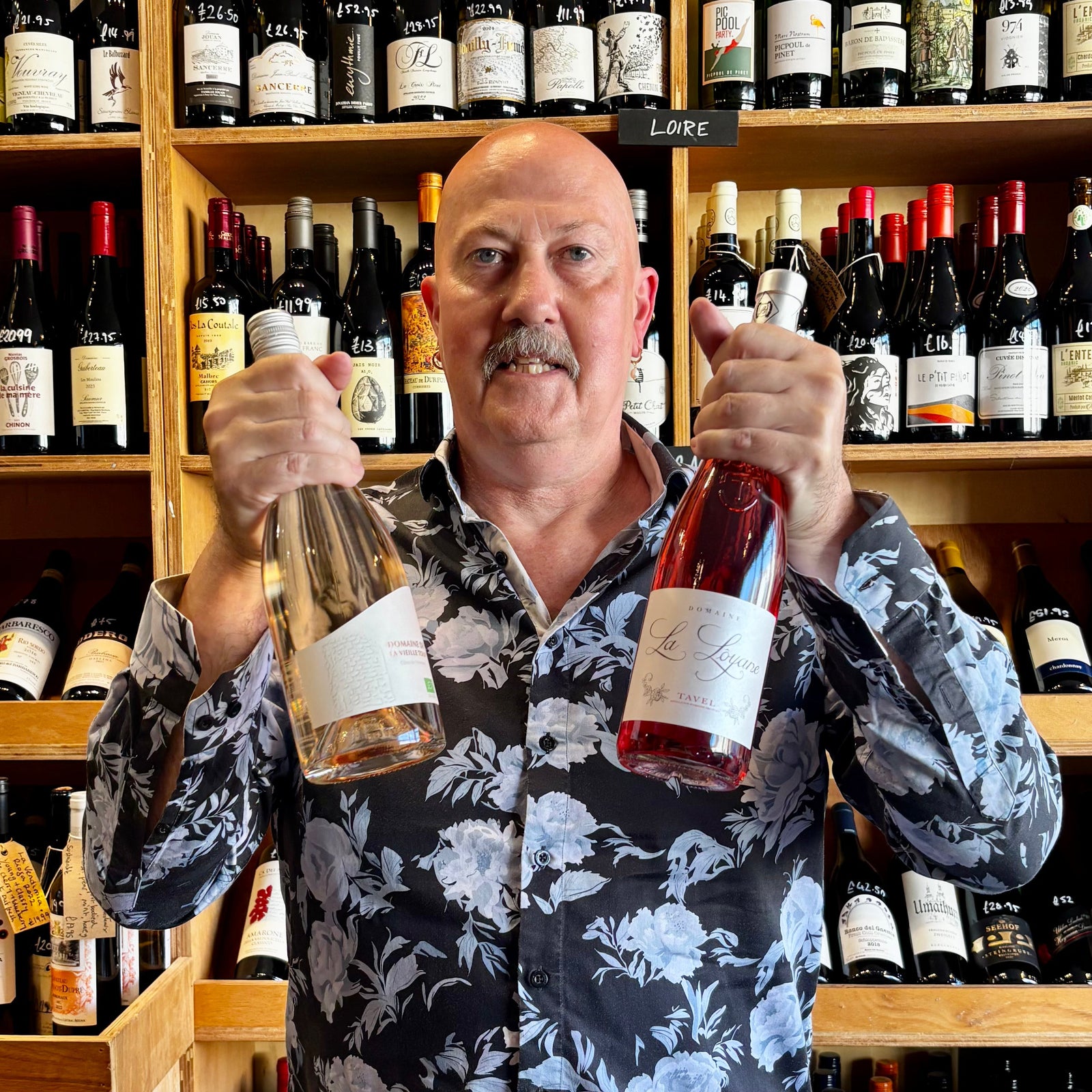
Tavel was recognised as a quality rosé-producing region as far back as the 1930s. We particularly enjoy Domaine La Loyane Tavel Rose 2025. It is consistently excellent: fresh and fruit-driven, yet with enough body and savoury complexity to pair beautifully with food.
Rosé really comes into its own at the dining table. It is wonderfully versatile, pairing equally well with Japanese cuisine, grilled fish, chargrilled Mediterranean vegetables, paella and countless other dishes.
For those who still prefer the palest shades of pink, we recommend Domaine de la Vieille Tour Organic Rosé Côtes de Provence 2025. It is excellent value and consistently over-delivers.
By experimenting you may well discover that some of the most rewarding pink wines are the ones that don't look like everyone expects them to.
https://www.theargus.co.uk/news/26403032.butlers-wine-cellar-brighton-explains-darker-ros-wines/



Leave a comment (all fields required)